
Walking into a wine shop or looking at a massive restaurant wine list can feel like taking a test you didn’t study for. Between foreign names, vintage years, and snobby jargon, it’s easy to just grab the bottle with the prettiest label and hope for the best.
The secret? You don’t need a degree in enology to enjoy or talk about wine. You just need your five senses.
1. Look at the Clarity and Color
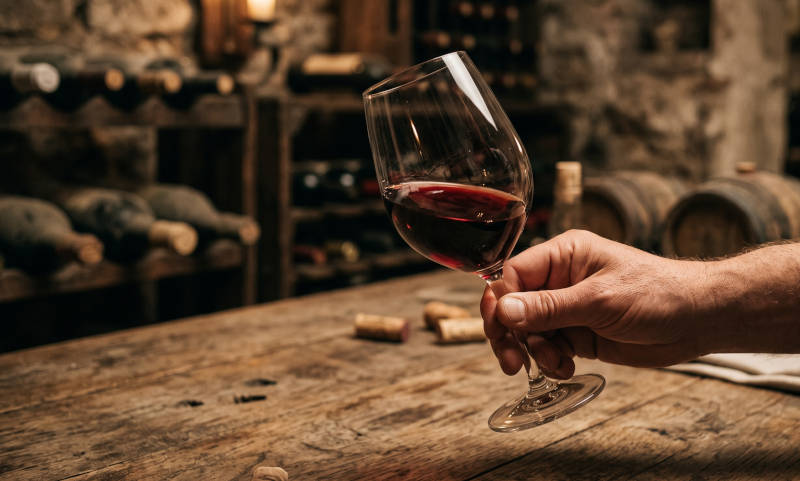
Hold your glass over a white napkin or tablecloth and tilt it slightly. Bright, pale whites usually mean a younger, crisper wine, while deeper golden whites have often spent time in oak barrels. For reds, a bright ruby color usually points to lighter fruit flavors (like cherry), while a dark, purple-black hue signals heavy, rich flavors (like blackberry or plum).
2. Give it a Good Swirl
Swirling isn’t just for show—it introduces oxygen into the wine, which breaks open the aromas trapped in the glass. Keep the base of the glass flat on the table and draw small circles with it if you’re worried about spilling!
3. Take a Deep Sniff
Your nose does about 80% of the work when it comes to tasting. Put your nose right down into the top of the glass and breathe in. Don’t worry about picking out obscure scents like “leather” or “tobacco”—just ask yourself simple questions: Does it smell like fresh fruit, jam, herbs, or wood?
4. Taste and Pay Attention to the “Finish”
Take a small sip and let it roll across your tongue before swallowing. Pay attention to how long the flavor lingers after you swallow. A high-quality wine usually leaves a pleasant flavor in your mouth for 30 seconds or more—this is called the “finish.”
The Golden Rule: The absolute best wine in the room is simply the one you enjoy drinking. Don’t let anyone convince you that an expensive bottle is good if you don’t like how it tastes.